The moment I truly began to take motorcycle parts seriously came after a long-distance ride. It wasn’t an extreme journey, but on the way back, I clearly felt that the bike’s condition had changed: the braking felt softer, the throttle response became sluggish, and even gear shifting was no longer as smooth as before. After returning, I conducted a thorough inspection and realized that the issue wasn’t a single component, but rather the “accumulated fatigue” of multiple parts over time.
That was when I understood that a motorcycle’s performance is never determined by just one core component, but by countless details working together. The engine, brakes, transmission, and suspension systems are all made up of numerous parts, and the condition of each of these parts directly determines the overall performance of the bike.
Since then, I have systematically studied motorcycle parts and gradually developed my own evaluation logic. At the same time, I’ve become accustomed to using platforms like AUTODOC to search for and compare suitable parts. Its ability to integrate information and provide comparisons has significantly improved my efficiency.
Understanding Motorcycle Parts: From Structure to Logic
Many people focus on displacement, design, or brand when they first get into motorcycles, but what truly defines the riding experience are the components hidden within the structure.
A motorcycle can generally be divided into several core systems: the power system, braking system, transmission system, and suspension system. Each system contains multiple critical parts, such as pistons and valves inside the engine, brake pads and discs in the braking system, and chains and sprockets in the transmission system.
These parts do not function independently; they work together. If one component has an issue, it affects the entire system. When I first started riding, I only paid attention to obvious failures, but later I realized that many performance issues actually stem from subtle part wear and aging.
When selecting and replacing parts, I usually check compatible components for my specific model on AUTODOC first. This helps me avoid problems caused by mismatched specifications.
Power System: Details Determine Smooth Output
The power system is the core of a motorcycle, and its key components are more complex than they seem. Pistons, spark plugs, air filters, and fuel injection systems all influence power output.
I once replaced a spark plug with a low-quality one, which resulted in noticeable engine vibration, increased fuel consumption, and even stalling at low speeds. Later, I selected a more suitable spark plug on AUTODOC, and the issue was quickly resolved.
The air filter is another commonly overlooked component. If it becomes clogged, the engine cannot get enough air, leading to a drop in performance. Now, I regularly check it and prepare replacement parts in advance through AUTODOC.
Braking System: Safety Comes First
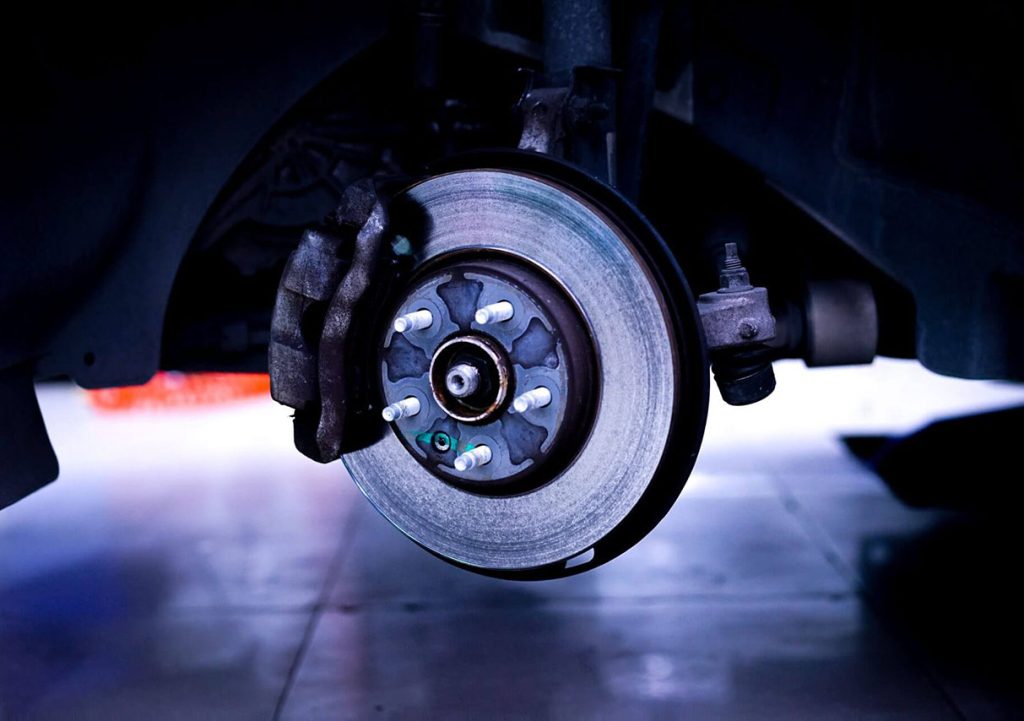
If the power system determines how fast you can go, the braking system determines whether you can stop safely. Brake pads, discs, and brake fluid are all critical components that directly impact safety.
I have always had high standards for brake pads because they directly affect braking performance. Different materials offer noticeable differences in feel and durability. I usually check reviews of various brake pads on AUTODOC, especially focusing on real user feedback.
Brake fluid is equally important. If it’s not replaced for a long time, it can absorb moisture and degrade in performance, potentially affecting braking stability. These details are easy to overlook in daily use, but when problems arise, the consequences can be serious.
Transmission System: The Path of Power Delivery
The motorcycle’s power ultimately needs to be transferred to the rear wheel through the transmission system, and every component involved affects efficiency.
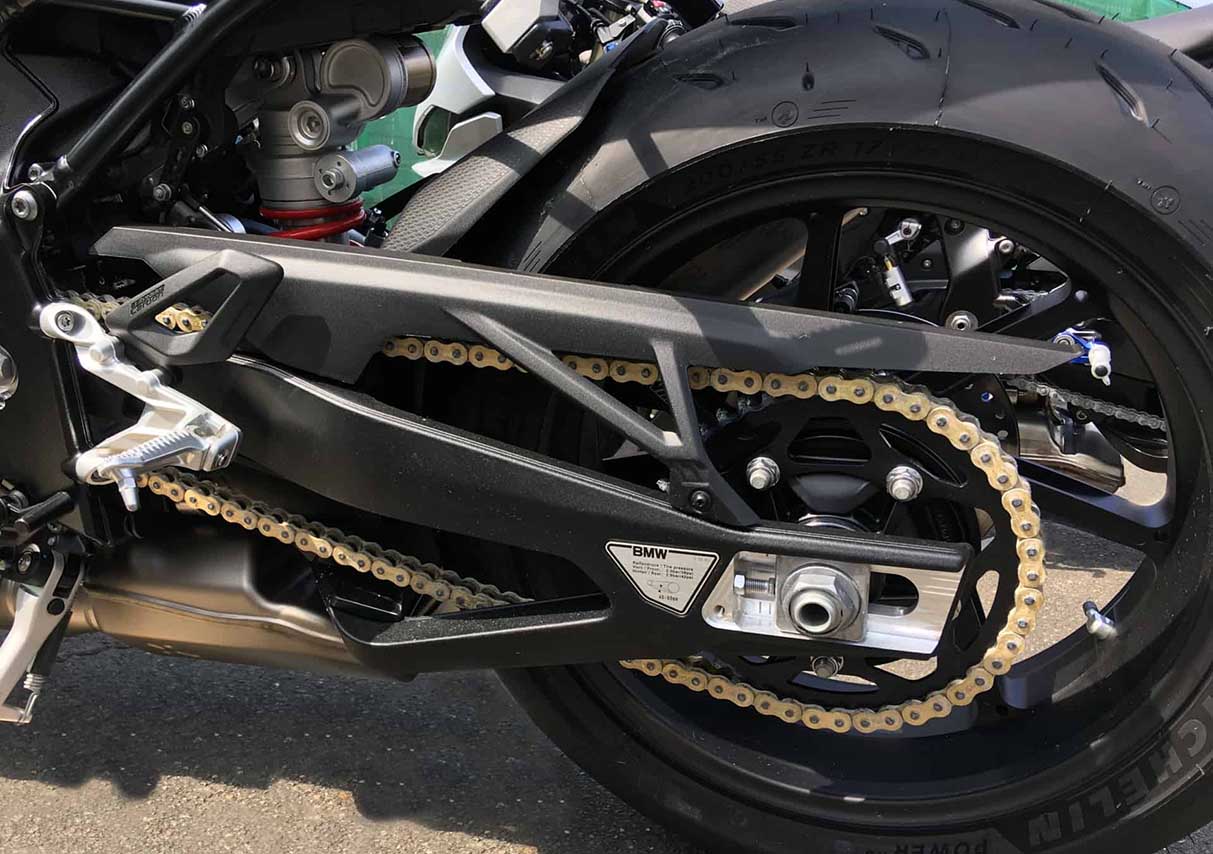
Chains, sprockets, and clutches directly determine whether power delivery is smooth. I once experienced noticeable jerking due to insufficient chain lubrication. After replacing the chain and maintaining it properly, the smoothness improved significantly.
When selecting chains and related components, I usually compare multiple options on AUTODOC, focusing on material quality, durability, and anti-rust treatment, all of which influence long-term performance.
Suspension System: The Balance Between Comfort and Control
The suspension system is often overlooked, but it has a significant impact on riding experience. Front forks and rear shocks affect not only comfort but also handling stability.
I once upgraded to a higher-performance rear shock absorber, which noticeably improved stability during cornering and provided better absorption of road vibrations. Over time, I realized that suspension is not about being as stiff as possible, but about matching your riding conditions.
When filtering suspension parts on AUTODOC, I focus on damping adjustment range and compatibility to find the most suitable options.
Electronics and Assistance Systems: The Evolution of Modern Motorcycles
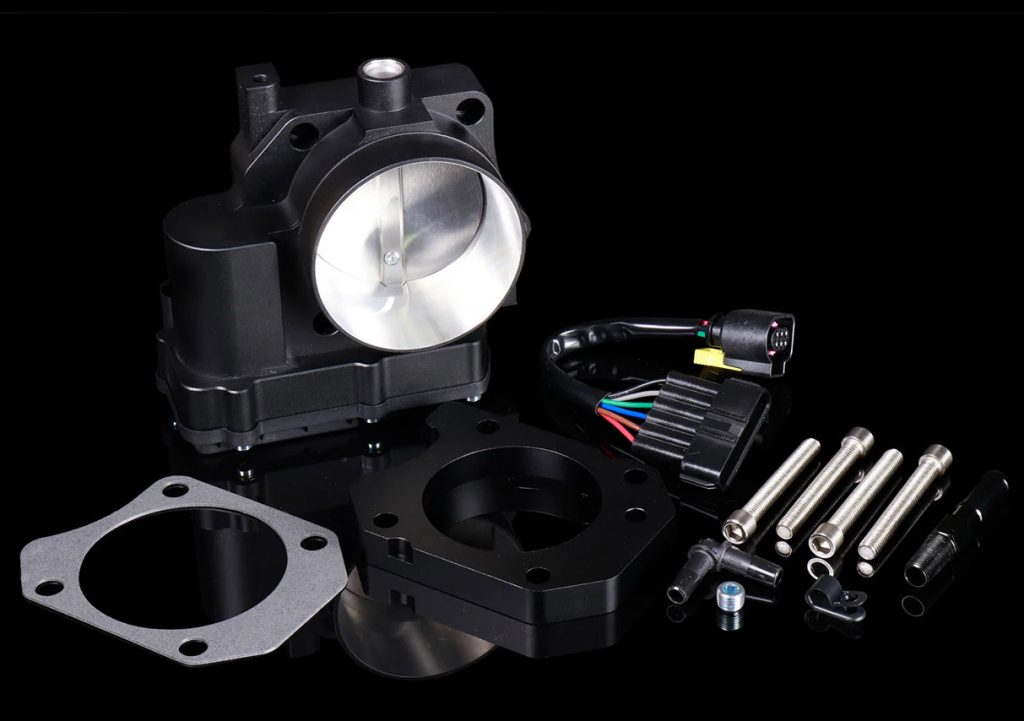
With technological advancements, more motorcycles are equipped with electronic systems such as ABS, traction control, and electronic throttle. Behind these systems are numerous electronic components.
Sensors, control modules, and batteries directly affect the reliability of the bike. I once faced starting issues due to an aging battery, and after replacing it with a more reliable one through AUTODOC, the problem was completely resolved.
Electronic systems can be difficult to troubleshoot when issues arise, which makes reliable information sources even more important. AUTODOC has been particularly helpful in this regard.
Maintenance Habits: The Key to Extending Part Lifespan
Many people believe that the lifespan of parts depends solely on quality, but in reality, usage and maintenance habits are equally important.
I have developed a routine of regular inspections, including chain lubrication, brake checks, and tire pressure monitoring. These simple actions can significantly extend the lifespan of components.
At the same time, I prepare commonly used consumables such as brake pads and filters in advance through AUTODOC, so I’m never caught unprepared when replacements are needed.
Choosing Parts: Suitability Over Prestige
There is a wide variety of motorcycle parts on the market, ranging from premium brands to budget-friendly options. When choosing, I focus more on suitability rather than simply going for the most expensive option.
Using AUTODOC’s filtering features, I can compare prices, brands, and user reviews to find the most cost-effective choice. This approach has helped me build a consistent and reliable selection system over time.
Riding Experience: Feeling the Difference in Details
Once you start paying attention to parts, you’ll notice significant improvements in riding experience. Throttle responsiveness, braking linearity, cornering stability—these details all directly affect how the bike feels.
After every part replacement, I consciously evaluate these changes and document them. This process has deepened my understanding of motorcycles.
AUTODOC, in this process, acts as an efficient tool that allows me to quickly access information and compare products, helping me make better decisions. A motorcycle is more than just a means of transportation; it is a precise system, and every component is an essential part of it. When you truly understand these components, your riding experience will naturally reach a whole new level.