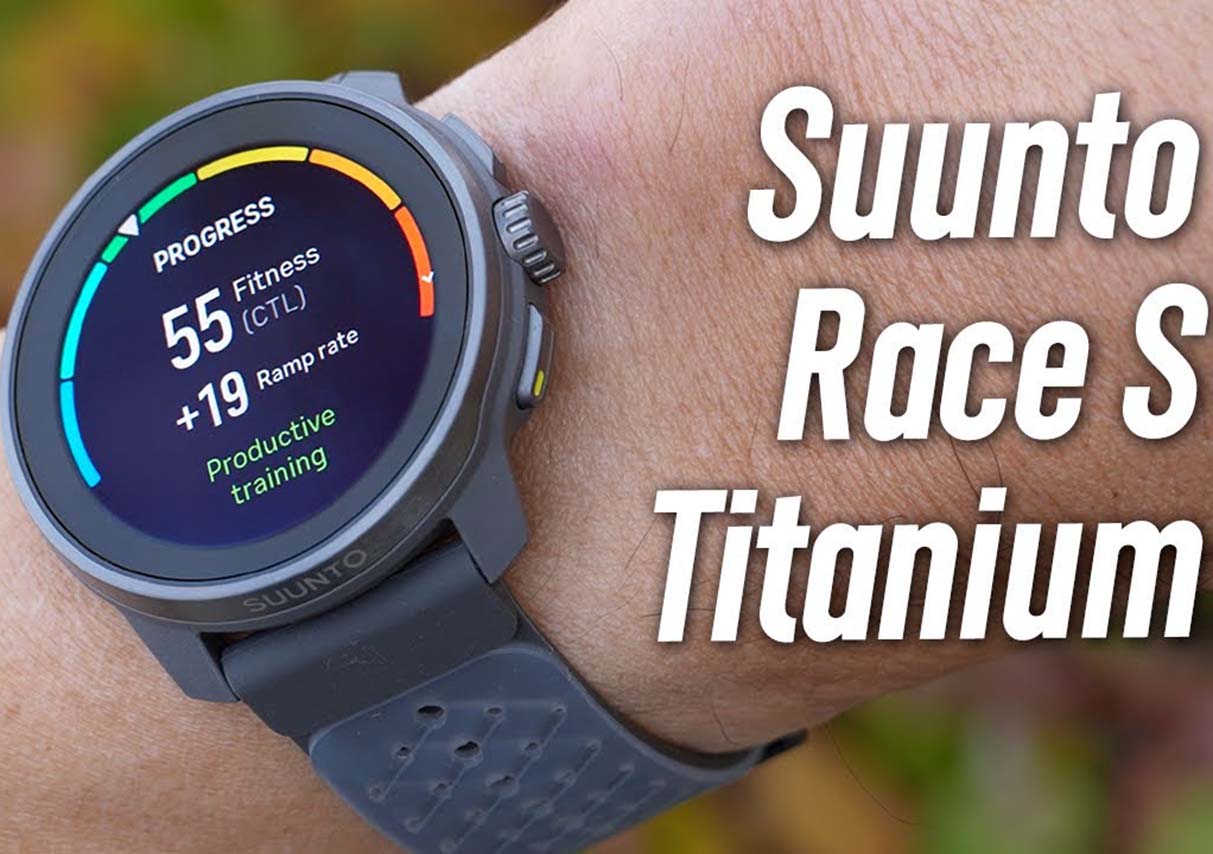
I have long been searching for a way to make my training more efficient and scientifically grounded. In the past, I often faced frustrating challenges: while running, I never knew if my heart rate had reached the optimal training zone; while cycling, I couldn’t accurately record mileage or calories burned; and while swimming, I struggled to track my stroke style and speed. It wasn’t until I started using a Suunto watch that these issues were almost entirely resolved, giving me a brand-new perspective on exercise and completely transforming my training approach.
Precise Heart Rate Monitoring: Making Training More Targeted
What first drew me to Suunto watches was their heart rate monitoring capability. Previously, I would rely solely on “feel” to control my pace while running—a method that often resulted in either overtraining or insufficient intensity. However, since switching to Suunto, I can now view my heart rate, calories burned, and training intensity zone in real-time during every run.
The very first time I went for an outdoor run, I activated the heart rate mode. The watch clearly displayed my current heart rate, my target heart rate zone, and my fat-burning zone. When I saw that I had entered the aerobic training zone, I felt a sense of reassurance: I knew I was scientifically working on my cardiovascular fitness rather than just running blindly. By adjusting my breathing and cadence based on the watch’s prompts, I noticed a significant improvement in my endurance; long-distance runs no longer left me easily fatigued.
Suunto’s heart rate monitoring is not only accurate but also highly responsive. Even during high-intensity interval training, the watch precisely captures fluctuations in my heart rate, using vibrations or on-screen prompts to notify me when I need to slow down or sprint. This feedback mechanism allows me to train more safely and effectively while minimizing the risk of sports-related injuries.
GPS Tracking: Documenting Every Workout
Beyond heart rate monitoring, another feature of Suunto watches that I absolutely love is GPS tracking. Whether I’m running through the city, cycling through the countryside, or hiking in the mountains, the watch accurately records my route, distance, speed, and elevation changes.
I remember one instance where I planned to run from a city park to a riverside trail—a route spanning over 10 kilometers. With my Suunto watch on my wrist, I was able to track my pace for every single kilometer; furthermore, by using the companion app on my smartphone, I could later review the entire route trajectory and elevation profile. This gave me a much clearer understanding of my training: I could identify exactly which segments I pushed too hard—leading to fatigue—and which uphill climbs were the most physically demanding, allowing me to fine-tune my strategy for the next session.
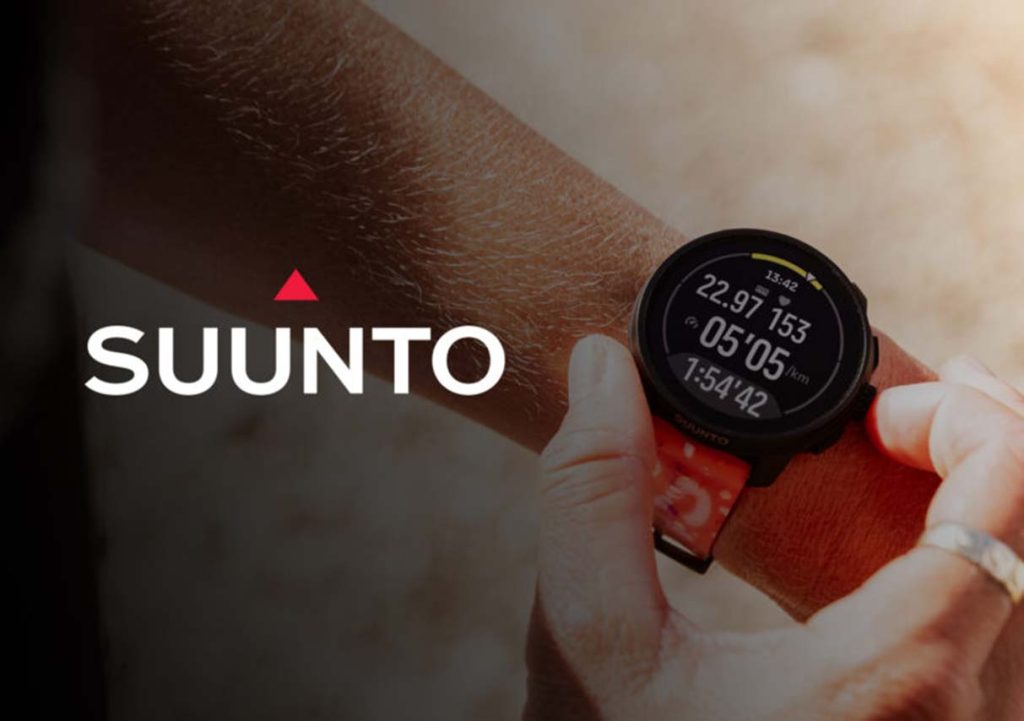
The GPS feature also proved incredibly useful during my rides. During a 30-kilometer weekend ride, the watch tracked my average speed, top speed, elevation gain, and calories burned. Combined with the real-time pace display on the watch face, I was able to maintain a steady rhythm throughout my workout without having to constantly stop and check my phone. This level of precise data tracking made every workout feel as though I had a personal coach right there with me, making the results of my training far more quantifiable.
Multi-Sport Modes: Enabling Comprehensive Training
I enjoy experimenting with a variety of physical activities—running, cycling, swimming, and even strength training. Suunto’s multi-sport modes cater to almost all of my needs.
In running mode, I can choose between indoor and outdoor sessions and set up training plans based on my target heart rate zones. The cycling mode tracks metrics such as speed, distance, and power output in real time. The swimming mode is particularly impressive: the watch boasts excellent water resistance and accurately calculates stroke type, lap count, and speed—it can even automatically identify different swimming strokes while you are in the pool.
The first time I used my Suunto watch in a swimming pool, I was astonished by its accuracy. For every lap I swam, the watch recorded the stroke type and lap count; I could even view my average pace for every 50 meters. This data gave me much greater control over my swimming rhythm while motivating me to gradually improve my pace and efficiency.
During strength training sessions, the watch tracks my workout duration and heart rate fluctuations, helping me understand the physical demands of each set and the overall intensity of my workout. Previously, I would simply rely on intuition to determine the number of sets and rest intervals; now, I can use data-driven insights to adjust my training plan, making my workouts more scientific and goal-oriented.
Daily Health Management: Bringing Structure to Everyday Life
The Suunto watch excels not only during workouts but also in its approach to daily health management. Features such as sleep monitoring, step counting, and activity reminders provide me with a comprehensive overview of my physical well-being.
I wear my watch every night while I sleep. When I wake up in the morning, the watch displays the duration of my deep and light sleep cycles, my total sleep time, and a sleep quality score. I’ve noticed that whenever I push myself too hard during training or consume caffeine in the evening, the amount of deep sleep I get decreases significantly. Armed with this data, I began to structure my training and diet in a more scientific manner, and my sleep quality saw a marked improvement as well.
The daily step count reminders and sedentary alerts also encouraged me to be more proactive about physical activity. Even with an office job, I make a point of walking around during my lunch break or afternoon downtime to ensure I meet my daily activity goals. These health management features have helped make my exercise regimen and lifestyle habits more scientific and consistent.
App Data Synchronization and Training Analysis
Another major advantage of the Suunto watch is its seamless synchronization with the Suunto App. After completing each workout, I can view a detailed report directly on my phone, featuring route maps, heart rate zone distribution, calorie expenditure, and an analysis of my training effect.
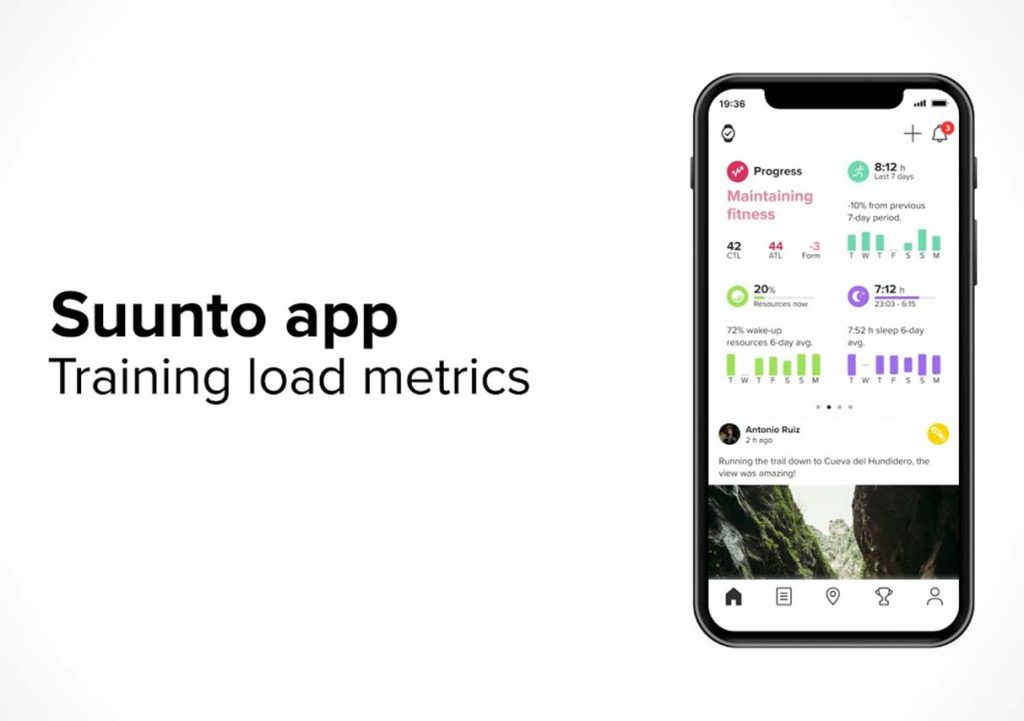
Through the app, I can plan my training schedule for the upcoming week—setting specific targets for heart rate zones, running mileage, or calorie burn—and track my progress over the course of a week or a month using visual charts. This data visualization makes the training process much more intuitive and serves as a powerful motivator. Whenever I review my workout logs, I can clearly see my growth and improvement; this sense of accomplishment provides a stronger incentive to stick with it than the physical act of exercising alone.
Intelligent Training: Making Every Workout Count
From the very first day I started using my Suunto watch, I felt a profound shift in my approach to exercise. Precise heart rate monitoring, GPS tracking, multi-sport modes, sleep and health management, and data analytics—these features ensure that every single workout has a clear objective and provides actionable feedback, eliminating the guesswork and aimlessness that often characterize casual exercise.
Whether I am running, cycling, swimming, or strength training, the Suunto watch acts like a personal coach right on my wrist—constantly guiding me, logging my data, and reminding me to prioritize safety and recovery. I have not only witnessed a tangible improvement in my physical fitness but have also cultivated a habit of training in a truly scientific and systematic way.