To be honest, before I really started using a robot vacuum, I thought the answer was simple: traditional vacuums were reliable, while robot vacuums were just “gimmicky.” It wasn’t until I got a pet and used a Roborock for an extended period that I realized the question wasn’t “which is better,” but rather “what kind of cleaning method do you actually need?”
These two devices solve completely different problems: one emphasizes immediate cleaning power, while the other focuses on long-term maintenance efficiency. The real difference becomes apparent over time through the frequency of use and the investment of time in daily life.
I. Traditional Vacuums: Strengths and Real-World Issues—Powerful Cleaning but Labor-Intensive
Initially, I viewed the traditional vacuum as the “standard answer” for home cleaning. Its greatest strengths are powerful suction and direct cleaning action; it delivers consistent results, especially when dealing with pet hair, dust buildup, or dirt in corners. It also offers a high degree of control—you decide the cleaning path and target specific areas, such as under the sofa or deep within the carpet. This “fully manual control” approach ensures predictable cleaning outcomes.
However, the downside is its heavy reliance on manual labor. Every cleaning session requires your full participation; you have to handle everything yourself, from moving the device to cleaning specific zones. In households with pets, cleaning happens frequently, and over time, this becomes a significant time drain. Add to that the need to tidy up the floor and clear obstacles before each use, and these cumulative steps drive up the “cost” of cleaning, making the entire process feel increasingly burdensome.
This is what led me to reconsider robot vacuums.
II. The Roborock Difference: Cleaning Becomes an “Automated Process”
After I started using a Roborock robot vacuum, my biggest takeaway wasn’t just that the cleaning was more thorough, but that the process no longer required my active involvement.
The key shift is that it transforms a task that previously required human effort into an automated system. Once started, it handles the entire workflow—path planning, whole-house coverage, and auto-recharging/resuming—on its own. You only need to perform one action: start it up.
That is the fundamental difference. With a traditional vacuum, you perform the cleaning; with a robot vacuum, the cleaning happens on its own. This shift is crucial in daily life because it fundamentally alters the psychological burden associated with cleaning.
III. Path Planning and Navigation: The Key to Efficiency Differences
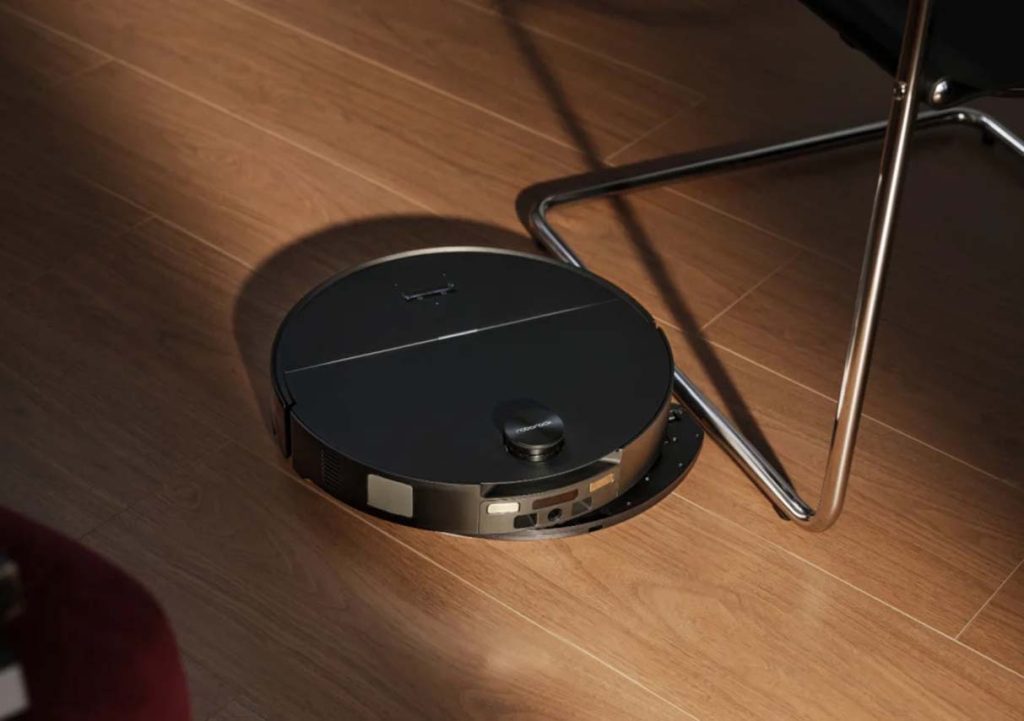
In actual use, Roborock’s navigation capabilities offer the most immediately noticeable difference.
Once it maps out the entire home using its laser navigation system, it moves beyond random movement, instead executing a planned cleaning route based on spatial logic. This approach delivers a highly consistent experience, as it avoids both redundant coverage and missed spots.
In contrast, while traditional vacuum cleaners allow you to clean exactly where you want, the downside is that you must constantly control their path—an inherent operational burden.
Roborock operates via “planned automation,” whereas a standard vacuum relies on “real-time manual operation.” The fundamental difference between these modes lies in the level of automation.
IV. Obstacle Avoidance and Adaptability: A Key Factor in Usage Frequency
In a real-world home environment, the biggest obstacle to cleaning is often not the cleaning power itself, but the complexity of the surroundings.
Items like power cords, slippers, pet toys, and the spaces beneath furniture can all disrupt the cleaning process. While a user can manually maneuver a traditional vacuum around these obstacles, doing so requires constant active participation.
Roborock’s advantage lies in its ability to automatically identify and navigate around most common obstacles, thereby minimizing the need for human intervention. This lowers the “barrier to use.”
In other words, if a device requires you to tidy up the room before using it, even a powerful machine will see less frequent use. Robot vacuums solve precisely this problem.
V. Vacuum-Mop Combo vs. Vacuuming Only: Expanding the Scope of Cleaning
Another distinct difference lies in the scope of cleaning.
Traditional vacuums primarily handle “dry cleaning”—removing dust, hair, and particulate matter. However, households with pets often face more complex issues, such as paw prints, minor stains, and mixed types of debris.
Roborock’s vacuum-and-mop combo design transforms cleaning from a single-dimensional task into a multi-faceted process. By vacuuming and mopping in a single pass, it maintains the floor in a consistently cleaner state, making it less likely to get dirty again quickly.
While it cannot fully replace a deep manual mopping, it addresses a more frequent need: maintaining cleanliness rather than performing a one-off deep clean. VI. The Core Difference and the Shift in My Choice: From “Manual Cleaning” to “Systematic Cleaning”
If I had to summarize the difference between a traditional vacuum cleaner and a robot vacuum in one sentence, I would say: a traditional vacuum is a result-oriented tool, whereas a robot vacuum is a tool for process automation.
A vacuum cleaner focuses on the act of you performing a high-quality clean; its value lies in the details of your hands-on operation—such as suction power, path control, and the selection of specific areas to target. The advantage of this approach is that the outcome is highly controllable, allowing you to deep-clean the dirtiest spots. However, the downside is equally obvious: it relies entirely on human involvement. Every cleaning session requires you to invest time and energy to carry out the entire process.
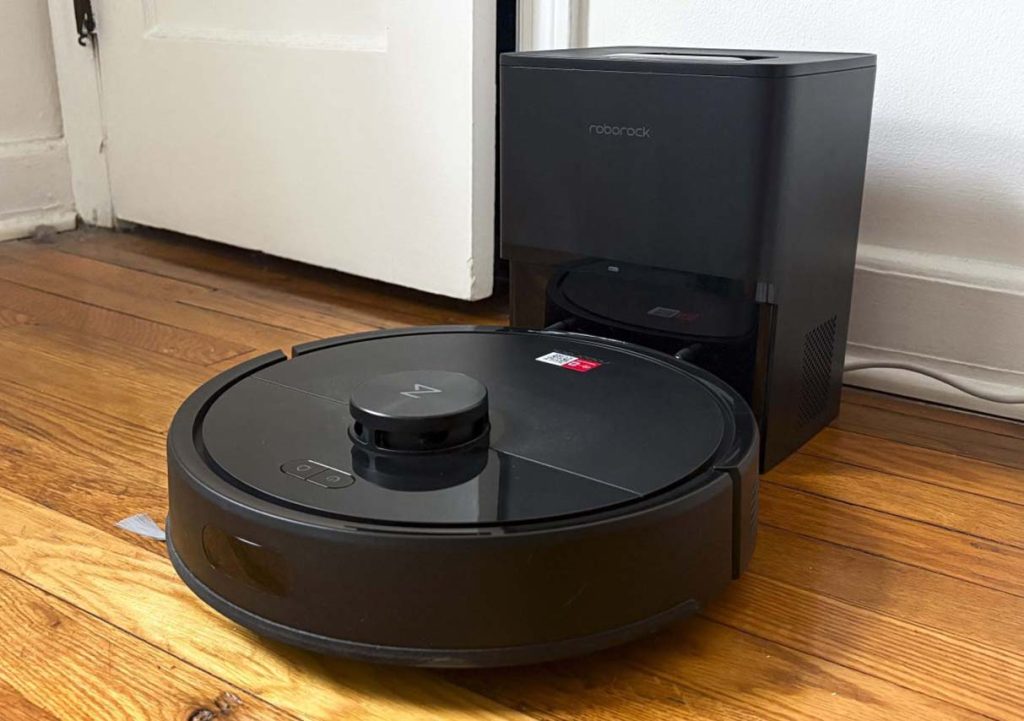
Robot vacuums—particularly products like Roborock—operate on a completely different logic: they emphasize continuous, automated cleaning. You don’t need to worry about when, where, or how the cleaning happens; the device handles path planning, area coverage, and routine maintenance cleaning on its own, effectively turning cleaning into a background system that runs continuously.
This explains why the value of these two tools shifts significantly depending on the stage of life you are in. Vacuum cleaners are better suited for “active cleaning scenarios,” while robot vacuums excel in “high-frequency maintenance scenarios.” One addresses the outcome of a single session, while the other maintains a consistent state over the long term.
VII. The Real Change Isn’t the Tool—It’s the Lifestyle
Ultimately, what changed my perspective wasn’t any single feature, but the overall way I approach cleaning.
Roborock made me realize that cleaning could shift from something I do to something a system does automatically. At the same time, the traditional vacuum cleaner retains its value for deep-cleaning tasks.
So, the answer isn’t really about “which is better,” but rather “how do you want cleaning to fit into your life?” And that choice directly impacts your daily rhythm.