I used to be quite casual about choosing shoes.
I’d either buy whatever looked good, or wear the same pair for ages until they were completely worn out. Back then, I didn’t seriously consider “what shoes to wear for different occasions,” more like “wearing whatever I had.”
But later, as I gradually settled into the rhythm of city commuting, I realized that shoes actually have a greater impact on daily life than I imagined.
Especially when living in Europe or big cities, a day might involve a lot of walking and switching between different scenarios: going to work in the morning, going out at noon, and socializing in the evening. If the shoes aren’t suitable, it’s not just a matter of “looking good,” but it affects your entire state of mind.
It was under these circumstances that I started paying more attention to footwear selection, and it was during this process that I came across ALDO.
Shoes are actually more fundamental than “outfit coordination”
I used to think shoes were just one part of an outfit, but now my perspective has completely changed.
Shoes are more like “a part of everyday life.”
For example, when it comes to going out:
If your shoes are uncomfortable, you’ll feel irritable all day; if they’re too formal, they’ll feel restrictive during your city commute; but if they’re too casual, they might not be suitable for social occasions.
Later, I gradually realized that a pair of shoes truly suitable for everyday life actually reduces the pressure of daily choices.
And what I’ve noticed in many ALDO shoe styles is that they don’t deliberately lean towards any particular style, but rather adapt naturally to different situations. For example, the same pair of shoes can be paired with everyday work clothes, but it won’t feel out of place at an after-get off work party or a weekend outing. This “no need to constantly change styles” approach has made me increasingly reliant on them.
Commuting: I started to pay more attention to “how it feels to walk”
My daily commute isn’t particularly extreme, but it’s not easy either.
Subway + walking + sometimes impromptu client meetings or conferences mean a significant amount of walking throughout the day.
Previously, I easily overlooked “comfort,” but now I can clearly feel the difference shoes make.
After using some ALDO shoes, I began to realize for the first time that good commuting shoes aren’t about “looking comfortable,” but about “not needing to adjust yourself while walking.”
Sometimes, after a whole day out, I find myself surprisingly not feeling much fatigue when I get home. This experience is actually quite important.
Moreover, I’m increasingly disliking overly complex designs for my commute, preferring simple, clean, and easy-to-match styles. This way, I don’t spend too much time agonizing over what to wear in the morning.
City Outings: I’m Starting to Want “Relaxed But Not Casual”

Living in the city, I’ve noticed an interesting change: going out isn’t just about “functional needs,” but also about “expressing a state of mind.”
For example, going to a coffee shop, visiting an exhibition, or meeting friends—these occasions don’t need to be too formal, but I don’t want to be too casual either.
Before, I might have just worn sneakers to solve everything, but I’ve gradually realized that this makes the overall style a bit monotonous.
With ALDO, I can more easily find that feeling between “casual” and “refined.”
It’s not an overly formal look, nor is it completely casual sporty; it’s a more natural urban feel.
For example, simple jeans, a trench coat, or a basic T-shirt, as long as paired with the right shoes, makes the overall look more complete.
This “relaxed but not casual” state is actually my most frequently used everyday style now.
Social Scenarios: Shoes Actually Influence First Impressions
I used to not pay much attention to what shoes I wore to social occasions, but I’ve gradually realized that it’s an easily overlooked detail.
For example, when meeting friends, attending events, or even just a simple meeting, shoes actually affect the overall impression.
Too sporty can seem too casual, while too formal can feel distant.
In this process, I’ve started to prefer styles that are more design-oriented but not overly flashy, and ALDO products seem to strike a good balance.
They don’t feel like they’re “trying too hard,” but they’re not completely unremarkable either.
This moderate expression is actually very important in urban social situations.
My Shoe-Choosing Logic Has Changed
Looking back, my approach to choosing shoes is completely different now.
Before, it was “buy if you like it,” driven more by appearance or first impressions. But now, my judgment is closer to real-life needs, rather than simply focusing on “how good it looks.”
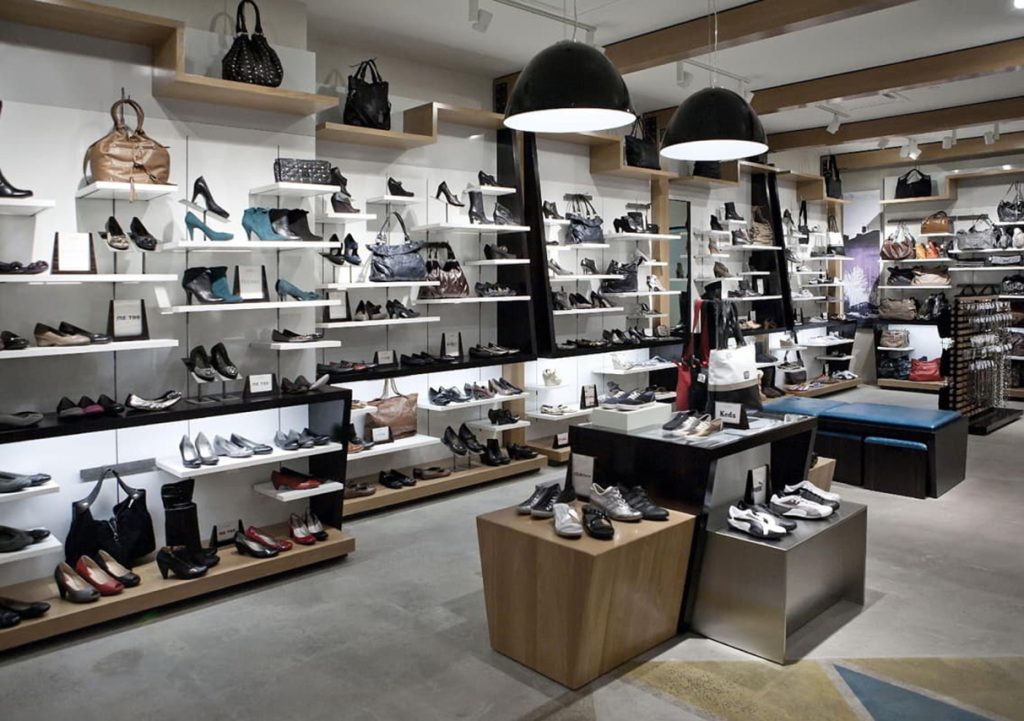
Now, I more naturally consider whether a shoe is suitable for commuting, because a pair of shoes might accompany me for a long time; I also think about whether it can handle both casual outings and social occasions, since my daily schedule often involves continuous transitions, and I can’t change shoes for every situation; at the same time, I pay more attention to the actual walking experience, such as whether it’s tiring after long walks and whether the feel is stable; another very practical point is how easily it matches everyday clothes, because if the cost of matching is too high, I won’t actually wear it often.
This change doesn’t actually make choosing shoes more complicated, but rather makes the whole process clearer. Before, it was driven by emotions; now it’s more life-driven.
And what ALDO gives me in this process is that it offers more than just a single shoe style; it’s a holistic approach that’s closer to the pace of urban life, allowing me to switch between different scenarios without constantly agonizing over “whether this pair of shoes is suitable.”
Shoes are not the end of style, but the beginning of life
Now I increasingly feel that shoes are not the final step in dressing, but the foundation of daily life.
They affect not only appearance, but also daily movement, state of mind, and even mood.
But after I started to re-understand shoes in different scenarios, I realized:
Truly good shoes don’t make you “get noticed,” but rather allow you to seamlessly transition between different life situations.
And this is the experience I’ve gradually come to understand with ALDO.