Tucson, a city nestled in southern Arizona, is often overlooked by many travelers. Yet, it is a hidden gem, offering an incredible mix of natural beauty, rich history, and cultural depth. Known for its vast desert landscapes, mountainous terrain, and remarkable wildlife, Tucson is a place that defies expectations. In early winter, when the chill of autumn gives way to pleasant temperatures, Tucson’s natural beauty is magnified. I’ll take you on a journey through Tucson and its stunning natural beauty, from vast deserts to towering mountains, and uncover the secrets of this extraordinary city.
1. Early Winter in Tucson: Warm Sunshine in the Desert
Tucson’s early winter offers a completely different experience compared to the colder northern states. The weather here is incredibly pleasant during this time of year, with daytime temperatures hovering around 20°C and nights cooling down to around 10°C. Unlike many places where winter means snow and frost, Tucson offers a warm, sunny environment ideal for outdoor exploration. The sunshine bathing the desert landscape creates a peaceful and calming atmosphere, making this time of year the best for activities such as hiking, biking, and wildlife watching.
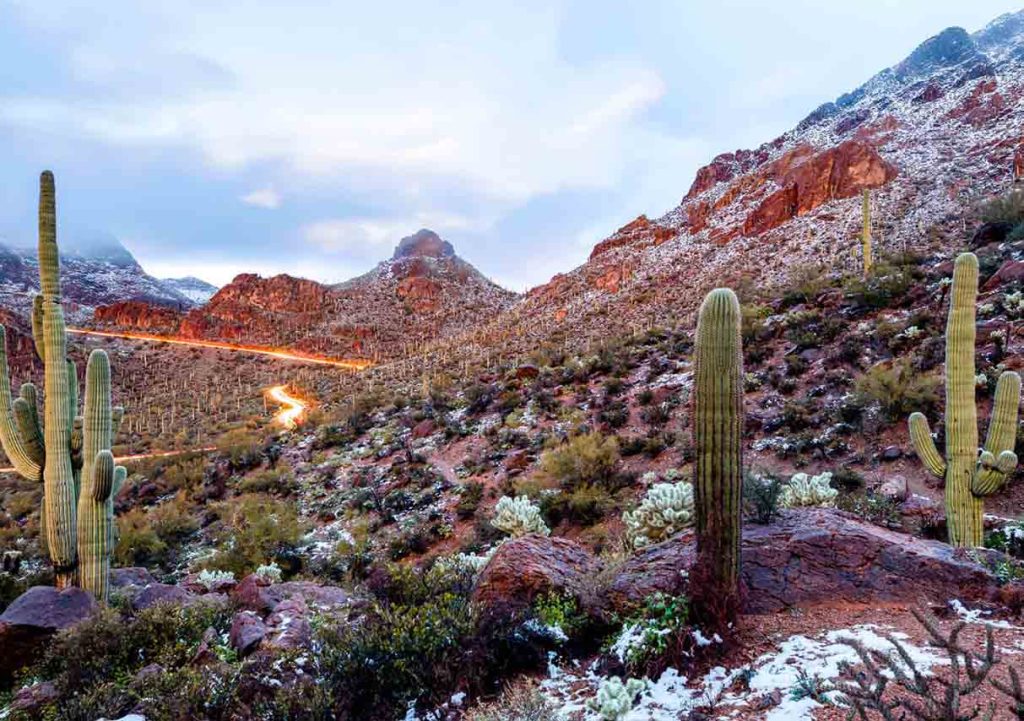
Tucson sits within the heart of the Sonoran Desert, one of North America’s largest deserts. This region is home to unique flora and fauna, including iconic giant saguaro cacti, creosote bushes, and a host of wildlife species adapted to the harsh desert environment. Visitors to Tucson will see a diverse and vibrant ecosystem, with saguaro cacti stretching high into the sky, dry riverbeds winding through the landscape, and rolling sand dunes offering sweeping vistas. The warmth of early winter also provides a contrast to the intense heat of summer, allowing for a more enjoyable outdoor experience.
2. Tucson’s Natural Wonders: From Desert to Mountains
Tucson’s allure lies not only in its vast desert but also in the stunning mountains that surround it. These mountains offer everything from leisurely hikes to challenging climbs and breathtaking views.
1. The Beauty of the Desert: Saguaro National Park
One of Tucson’s most iconic natural landmarks is the Saguaro National Park, which surrounds the city on both the east and west sides. This UNESCO World Heritage site is famous for its vast forests of saguaro cacti, some of which stand over 40 feet tall. These magnificent cacti, with their towering, spindly arms reaching toward the sky, create a dramatic and awe-inspiring landscape. The park offers an array of hiking trails, from short loops to more strenuous climbs, allowing visitors to explore the desert at their own pace.
As you hike through the park, the sounds of desert winds rustling through the cacti are calming, and the landscapes change with each turn, revealing unique flora and fauna. The park is home to many desert creatures, including desert foxes, rabbits, bobcats, and a wide range of bird species, such as the red-tailed hawk and the Gambel’s quail. This biodiversity, combined with the incredible natural beauty, makes Saguaro National Park a must-visit for anyone exploring Tucson.
2. The Charm of the Mountains: Sabino Canyon
For those looking to explore Tucson’s mountainous terrain, Sabino Canyon is an absolute highlight. Located in the Santa Catalina Mountains, this canyon is a haven for hikers, photographers, and nature lovers alike. The dramatic cliffs that line the canyon are a photographer’s dream, and the lush vegetation that flourishes in the canyon contrasts beautifully with the surrounding desert.
Sabino Canyon is known for its crystal-clear creek, which meanders through the canyon floor, providing a serene setting for hikers and wildlife enthusiasts. Several hiking trails in the canyon are suitable for all skill levels, from easy walks along the creek to more strenuous routes that lead to higher altitudes and panoramic views of the surrounding desert and mountains. Whether you’re seeking a peaceful, scenic walk or a more challenging trek, Sabino Canyon offers something for everyone.
3. Mount Lemmon
For those seeking higher elevations, Mount Lemmon, located just north of Tucson, offers the opportunity to experience a completely different landscape. Standing at 9,159 feet, Mount Lemmon is the highest point in the Santa Catalina Mountains and is renowned for its diverse ecosystems. While Tucson’s desert floor can be hot and dry, the higher elevations of Mount Lemmon are cooler and feature alpine forests, making for a remarkable contrast.
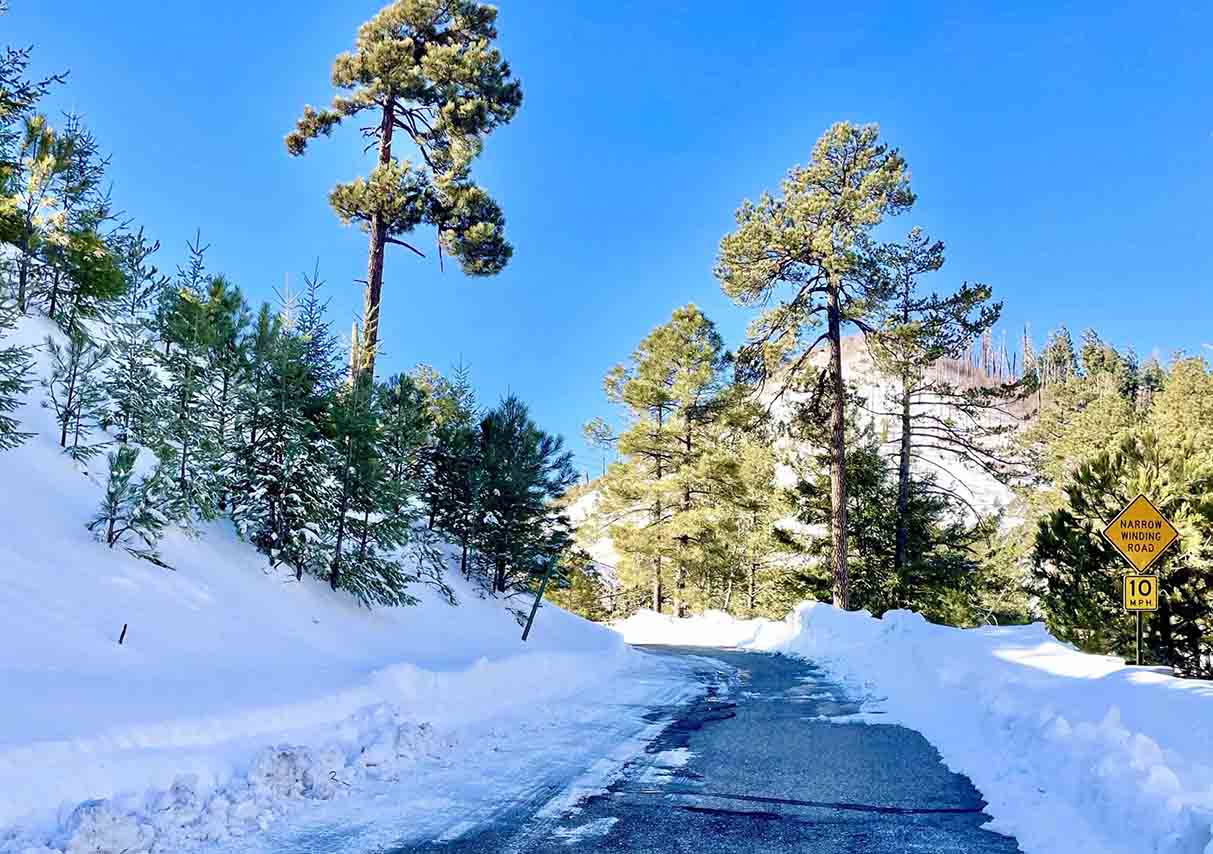
During the winter months, the mountain top is often blanketed with snow, creating an entirely new world compared to the desert below. The drive up the Sky Island Scenic Byway offers spectacular views of the changing landscape, from desert scrublands to dense forests and eventually to snowy peaks. At the top of Mount Lemmon, visitors can enjoy winter activities such as skiing, snowboarding, and sledding, or simply take a scenic walk through the snow-covered forest. Mount Lemmon provides a perfect escape from the desert heat and offers a unique experience for those visiting Tucson in the winter.
3. Tucson’s History and Culture
While Tucson is known for its natural beauty, the city’s history and culture also offer a rich and engaging experience for visitors. One of the oldest cities in the United States, Tucson has a deep and diverse history, with influences from Native American, Spanish, Mexican, and Anglo cultures.
1. Tucson’s Historical Sites
Tucson’s historical significance is reflected in its many museums and landmarks. For example, the Tucson History Museum provides insight into the city’s history, covering everything from the Spanish colonial period to Tucson’s role in the American West. One of the most iconic historical sites is the Mission San Xavier del Bac, a stunning example of Spanish colonial architecture. Founded in the late 1700s, the mission remains a place of worship and a significant historical and cultural landmark in Tucson.

2. Native Culture Experience
Tucson is also a city where Native American culture is alive and well. The region is home to a number of Native American tribes, and visitors can learn about these rich cultures through art exhibits, cultural festivals, and events throughout the year. Tucson’s Winter Arts Market, held every year in December, is an excellent opportunity to experience local Native American arts, crafts, and performances. It’s a vibrant celebration of Tucson’s cultural heritage, offering visitors a chance to engage with the traditions and artistry of the region’s indigenous people.
4. Tucson Travel Tips
1. Be Aware of Weather Changes
Tucson’s weather can change dramatically depending on the time of year and elevation. While the city’s low desert areas tend to be warm and pleasant, offering great conditions for outdoor exploration, higher elevations like Sabino Canyon and Mount Lemmon can be much cooler, especially in the early winter. It’s not uncommon for temperatures to drop significantly in the mountains. Before embarking on any outdoor adventures, always check the local weather forecast for both the city and the mountains. Packing in layers will allow you to adjust your clothing as temperatures fluctuate throughout the day, ensuring you stay comfortable on your hike or scenic drive.
2. Best to Rent a Car
Tucson’s public transportation system is somewhat limited, so renting a car is highly recommended for those looking to explore the city and its surroundings. With many of the city’s most notable natural attractions, such as Saguaro National Park, Mount Lemmon, and Sabino Canyon, spread out across the region, a rental car provides you with the flexibility to explore at your own pace. Having a car also opens up opportunities to visit scenic spots like the Sky Island Scenic Byway, where you can enjoy the incredible desert-to-mountain drive. A car gives you the freedom to go beyond the city center and immerse yourself in Tucson’s breathtaking natural beauty.
3. Bring Your Camera and Outdoor Gear
Tucson offers diverse landscapes that are a photographer’s dream, from the iconic saguaro cacti of the desert to the snow-capped peaks of Mount Lemmon in winter. Make sure to pack your camera and plenty of memory cards to capture every stunning view. Also, bring sturdy hiking boots if you plan on hitting the trails, as some paths can be challenging. Don’t forget a wide-brimmed hat, sunscreen, and plenty of water, especially if you’re hiking in the desert, where temperatures can vary dramatically. Tucson’s natural beauty, combined with its unique desert and mountain features, provides endless opportunities for outdoor photography and adventure.
5. Early Winter in Tucson: The Perfect Time to Discover Natural Wonders
There is no better time to explore Tucson than during the early winter. The cooler temperatures make hiking, sightseeing, and outdoor activities enjoyable, and the contrast between the desert and the mountains is stunning. Whether you’re hiking through the Sonoran Desert, skiing on Mount Lemmon, or simply enjoying the natural beauty of the landscape, Tucson offers a truly unique travel experience. With the city’s rich history, vibrant culture, and awe-inspiring landscapes, Tucson is a destination that will leave you with unforgettable memories.