It was many years ago.
I traveled alone to Paris—just a backpack, a worn notebook, and a quiet longing to see what the city felt like in autumn.
I wasn’t chasing landmarks. I wasn’t chasing Instagram moments.
I was chasing something quieter:
The hush of a city under golden leaves.
The scent of fresh croissants drifting from a corner bakery.
The soft glow of the Eiffel Tower at dusk, like a promise kept.
I stayed in a small apartment on the Left Bank, where the window faced a row of ancient plane trees.
Every morning, I’d open it just a crack, and watch the wind scatter leaves across the cobbled street—like pages from a book no one had read.
I walked the Seine at twilight, sat on a bench near the Pont des Arts, and watched the river reflect the fading light.
I listened to jazz drifting from a café in Montmartre, where an old man played piano with his eyes closed.
I remember sitting alone on a stone bench, wrapped in a scarf, watching the sky turn from blue to violet, and thinking:
This is what it means to be alive.
I had a camera. I had a journal.
But when I came back, I realized:
Photos capture scenes. Words capture thoughts. But only art can capture feeling.
And so, one autumn evening, I did something unexpected.
I opened OpenArt—and typed a sentence.
And in three seconds, I saw it again:
That autumn in Paris.
1. Paris, in Memory, Was a Poem Left Unfinished
I still remember it like a dream.
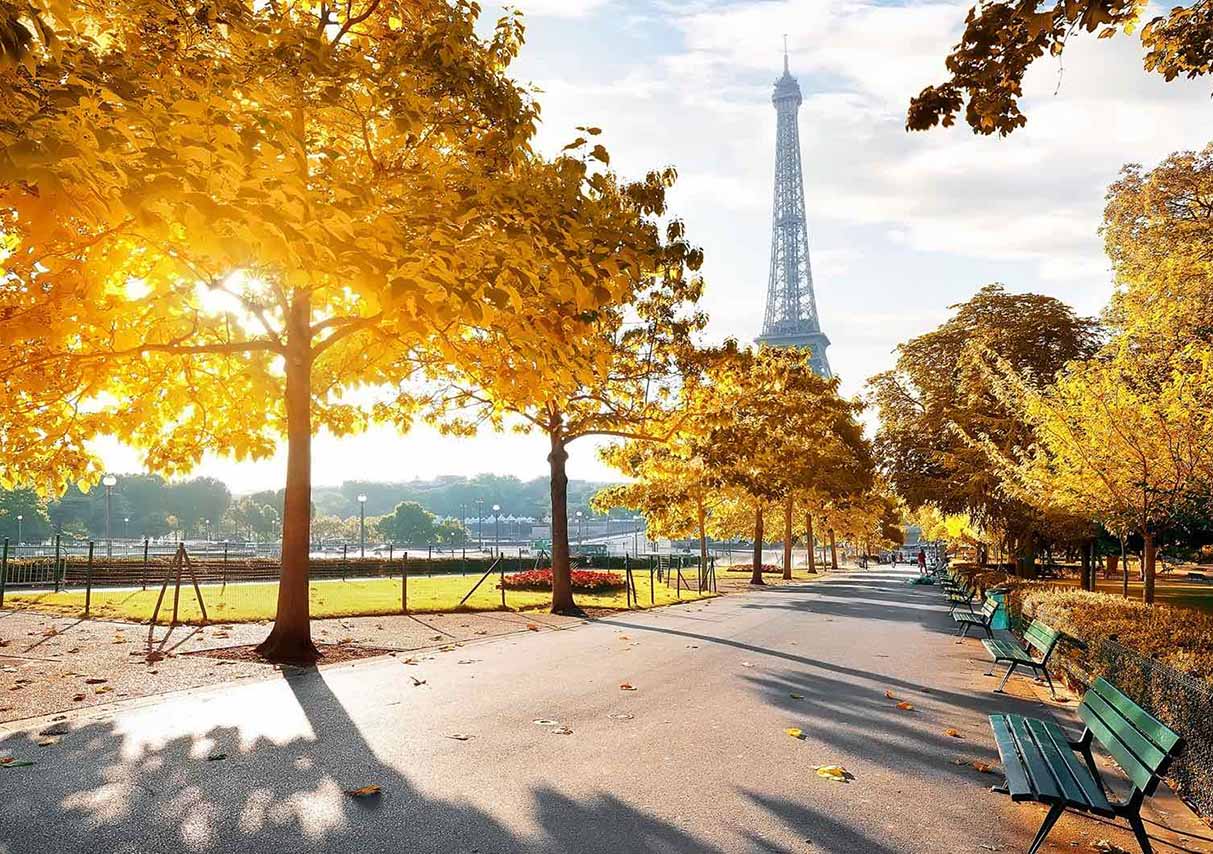
The sunlight filtering through the golden leaves of the Seine’s trees, casting dappled light on the stone path.
The soft hum of a saxophone from a hidden bar.
The way the Eiffel Tower lit up just as the sky turned deep purple.
The quiet beauty of a city that doesn’t rush—because it already knows it’s perfect.
I didn’t know how to paint. I didn’t know how to write poetry.
But I could still feel it.
And then, I found a prompt on OpenArt’s website:
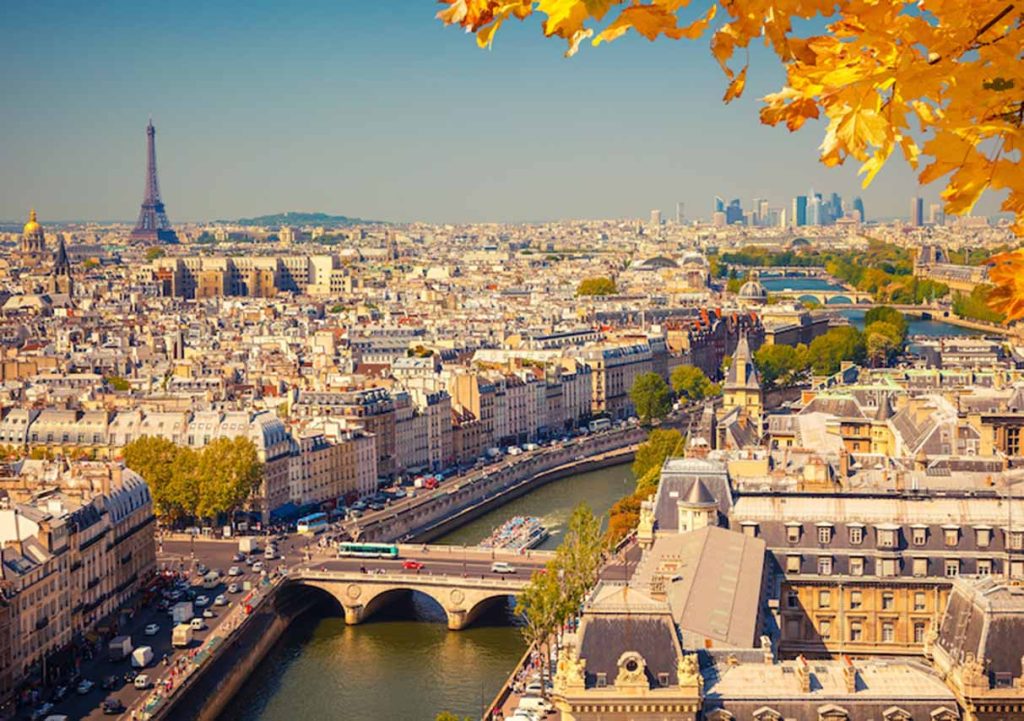
“A quiet autumn evening in Paris, golden light through maple trees, Seine River shimmering under the bridge, distant Eiffel Tower glowing softly, style: cinematic realism, emotional and nostalgic.”
I clicked “Generate.”
Three seconds later—
an image appeared.
I froze.
It wasn’t just “like” Paris.
It was Paris as I remembered it—
the texture of the leaves, the ripple of light on water, the soft glow of the city at night,
and that quiet ache of longing that only memory can carry.
I cried.
Not because the image was perfect.
But because, for the first time in years,
I had seen it again.
2. OpenArt: Not a Tool—But a Memory’s Time Machine
I’ve since learned that OpenArt isn’t just an AI image generator.
It’s a bridge between memory and meaning.
It doesn’t just draw. It understands.
It knows what “lonely” feels like.
It knows what “nostalgia” looks like in light and shadow.
I used it to rebuild that autumn, piece by piece:
- I typed:
“A lone traveler sitting on a bench by the Seine at sunset, backlit by golden light, Eiffel Tower glowing in the distance, leaves drifting in the air, style: cinematic realism, emotional, soft focus.”
→ The result was hauntingly real. The loneliness, the beauty, the stillness—it all came through.
- I tried:
“Paris in autumn, golden leaves falling on cobbled streets, a jazz bar glowing with warm light, a saxophonist playing under a red awning, style: oil painting, nostalgic mood.”
→ The image felt like a memory I’d forgotten.
- I even used Magic Eraser to remove a passerby who blocked the view of the bridge.
Magic Edit to adjust the lighting so the sunset felt warmer.
And upscaling to turn a 1024×1024 image into 4K clarity—so I could see the veins in each leaf.
These weren’t edits.
They were reverences.
3. Why OpenArt? Because It Understands Feeling
Most AI tools just “draw.”
OpenArt listens.
It doesn’t just turn text into image.
It turns emotion into image.
It knows that “autumn in Paris” isn’t just a season—it’s a mood.
It knows that “a man sitting alone on a bench” isn’t a subject—it’s a story.
And it delivers.
- Text-to-Image Generation: Describe your memory, and it becomes real.
- Smart Editing Tools: Magic Edit, Magic Eraser, image enhancement, detail sharpening.
- 100+ Art Styles: Realism, oil painting, watercolor, abstract, cinematic, and more.
- Beginner-Friendly: Prompt Book, Discord community, and tutorials help you get started fast.
- Free to Try: Sign up and get 100 free generations—enough to rebuild a whole memory.
I created a series called “Paris, in Memory”:
- The Bench by the Seine
- Autumn in Montmartre
- The Jazz Bar on Rue de la Huchette
- One Man, One City, One Autumn
Each one felt like a letter to my younger self.
4. I Didn’t Use OpenArt to Show Off—To Remember
I never posted these images on social media.
I didn’t use them for branding or content.
I didn’t even show them to anyone.
I used OpenArt not to impress, but to remember.
To say:
“I was here. I felt this. I was alive.”
Now, years later, I still don’t live in Paris.
I don’t walk those streets anymore.
The leaves have long since fallen.
But when I open OpenArt, type a sentence, and watch that golden light return to the screen—
I feel it again.
The wind. The music. The quiet.
It’s not a replacement.
It’s a reunion.
5. If You Miss a Place, Try Painting It Back
If you’ve ever walked a city street in autumn,
heard a song that made you stop and breathe,
sat alone under a sky full of stars,
and thought, “I wish I could feel that again…”
Then try OpenArt.
You don’t need to draw.
You don’t need to know Photoshop.
You don’t even need to write perfectly.
You just need to remember:
What did it feel like?
Try this prompt:
“I miss Paris in autumn. The leaves, the river, the light, the quiet. I want to see it again.”
Click “Generate.”
And you’ll realize:
You’re not making an image. You’re making a moment come back to life.
Some Places Can’t Be Visited Again.
But Some Memories Can Be Painted.
Paris is gone.
The leaves are gone.
The man on the bench is gone.
But in OpenArt,
he’s still sitting there.
The river still glimmers.
The city still glows.
And for a moment—
you’re not just remembering.
You’re there again.
To everyone who misses a moment, a place, a version of themselves:
You can’t go back.
But you can paint it back.
Not to prove you remember.
But to say:
“I was here. I felt it. I was real.”