I first truly valued a motorcycle helmet after a minor yet eye-opening accident. It was just a low-speed slide, and my body was almost unharmed, but the helmet had clear scratches from scraping the ground. I stared at it for a long time afterward, realizing that without it, the outcome could have been completely different.
From that moment, I began to re-examine the helmet—a seemingly ordinary piece of gear. It is not just a legal requirement or standard riding equipment; it is the most important safety barrier during riding. One could even say that a properly fitting helmet determines your mental state while riding—whether you feel tense and cautious or relaxed and confident.
During the process of frequently replacing and using helmets, I gradually formed my own selection criteria. I also increasingly rely on platforms like AUTODOC to filter and compare different types of helmets, which saves me a lot of trial and error.
Why Helmets Are More Important Than You Think
Many new riders, when first starting with motorcycles, focus on the bike itself—engine power, appearance, or brand—but often overlook helmet choice. In fact, helmet importance often surpasses many vehicle configurations.
Unlike cars, motorcyclists are almost fully exposed. In an accident, the head is the most vulnerable and critical part. A qualified helmet can absorb impact forces and distribute collision energy, greatly reducing the risk of severe injury.
Browsing helmet structural diagrams on AUTODOC made me realize that a helmet is not just a “shell,” but a precise protective system.
Helmet Structure: More Than Just a Shell
I discovered that helmets usually consist of multiple layers, each with a clear function.
The outer layer is a hard shell that resists direct impact and disperses force; the middle layer is a cushioning layer, usually made of EPS material, which absorbs impact energy; the inner layer is the comfort lining, providing a snug fit and enhancing wearing experience.
Different price ranges show significant differences in materials and craftsmanship. For example, high-end helmets often use carbon fiber or composite materials, while entry-level models typically use ABS. When comparing these parameters on AUTODOC, I pay special attention to material type, as it directly affects weight and protective performance.
Helmet Types: The Best is the One That Fits You
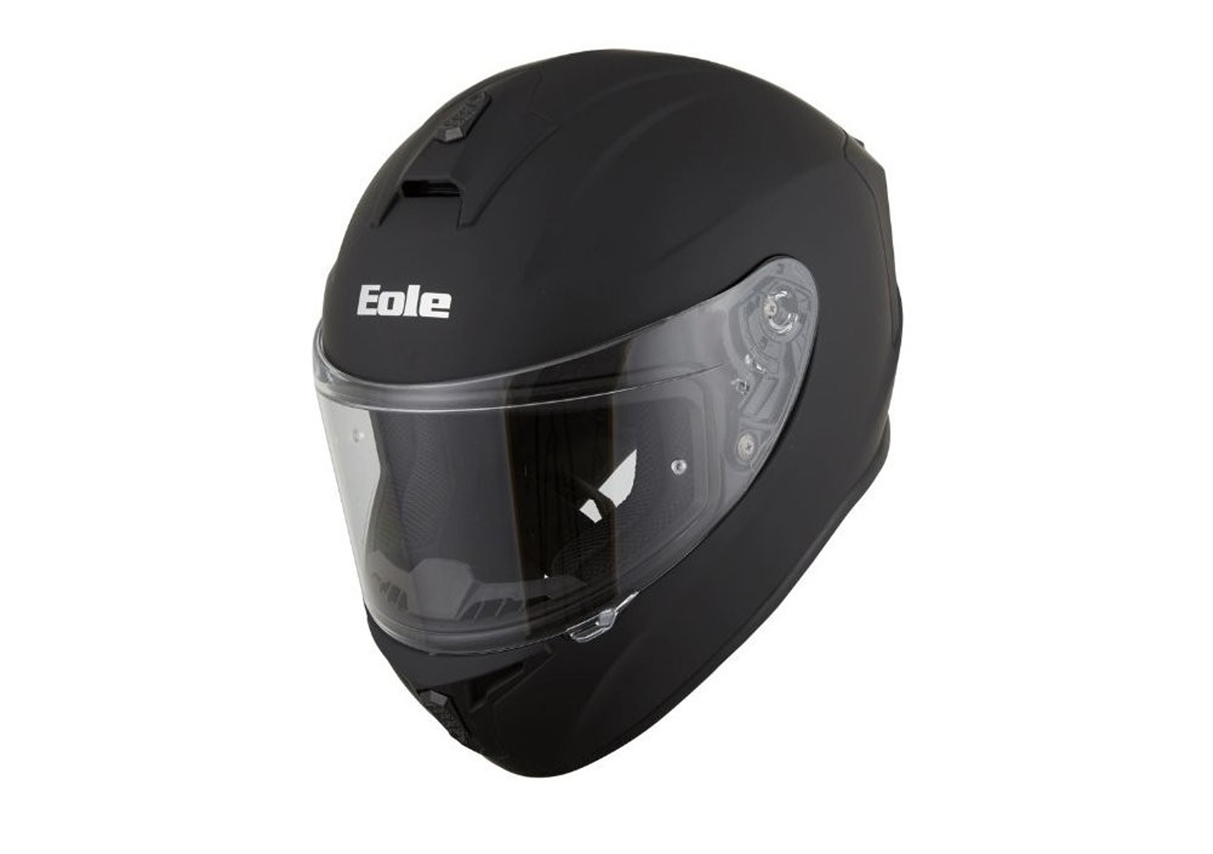
There are many types of helmets on the market, including full-face, modular, and half helmets, each suited for specific scenarios.
Full-face helmets offer the highest safety and are suitable for high-speed rides and long distances; modular helmets balance convenience and protection, ideal for city commuting; half helmets are lighter but provide limited protection.
I initially used a half helmet for convenience but gradually switched to a full-face helmet. On high-speed rides, the sense of security was completely different. Now, when I filter helmets on AUTODOC, I generally prioritize full-face models and then select based on ventilation, weight, and other details.
Comfort: Determines How Long You Can Wear It
A helmet must not only be safe but also comfortable; otherwise, long-term wear becomes difficult.
I once bought a helmet that didn’t fit well. Short rides were fine, but after an hour, I felt obvious pressure and even headaches. That’s when I realized the fit is crucial.
When shopping on AUTODOC, I pay attention to size range and lining design. Some helmets allow removable and washable liners, which is very practical for long-term use.
Ventilation and Noise: Often Overlooked Critical Factors
Many people focus only on safety certifications when choosing a helmet and ignore ventilation and noise control.
Ventilation directly affects comfort, especially in summer; poor airflow makes the helmet extremely stuffy. Noise control affects fatigue during long rides.
I once used a helmet with poor ventilation, and riding in summer was almost unbearable. Later, through AUTODOC, I chose a helmet with better airflow design, and the experience improved significantly.
Weight and Balance: Key Factors for Long Rides
Helmet weight is often underestimated but greatly affects neck strain.
In short rides, weight differences may not be obvious, but on long rides, even a few hundred grams can significantly increase neck fatigue.
Now, when filtering helmets on AUTODOC, I prioritize lightweight designs and consider whether the weight is evenly distributed, as this greatly influences overall wearing comfort.
Safety Certification: The Most Basic and Important Standard
Safety certification is the core metric to consider. Common certifications include ECE and DOT.
These indicate the helmet has passed rigorous testing and provides basic protection. I generally only consider products that meet mainstream certification standards.
When filtering helmets on AUTODOC, I immediately exclude products without certification, which greatly improves selection efficiency.
-1024x721.jpg)
Detail Design: Factors That Affect User Experience
Helmet details often determine real-world usability, such as anti-fog visors, quick-release mechanisms, and buckle types.
I highly value anti-fog visor performance because, in cold or rainy conditions, a fogged visor seriously reduces visibility.
Using AUTODOC’s comparison tools, I can quickly filter helmets with anti-fog features, which is very practical in actual use.
Why I Increasingly Rely on AUTODOC
As I replaced helmets more often, I realized the importance of information. Blind purchases not only waste money but can also compromise safety.
AUTODOC helps me most through “comparison.” On one platform, I can view different brands and models, making more rational choices.
Often, I even compare several products before ordering, considering parameters, reviews, and price, to finally select the one most suitable for me.
Riding Mindset Changes, Starting with a Helmet
When you truly wear a proper helmet, your riding state changes. You feel more relaxed and focused, knowing you have sufficient protection. Now, I always check the helmet’s condition before riding, making it a habit. When it needs replacing, I first go to AUTODOC to find a better option.
A helmet may seem like just a piece of gear, but it carries safety, confidence, and understanding of riding. Once you take it seriously, your perception of motorcycles enters a whole new level.